Core Team
Find out more about our core team of staff and a board of trustees
David Parr House is an ordinary Cambridge terraced house with an extraordinary hand-painted interior. Home to the Victorian working-class artist David Parr and his family for over 125 years, it is a rare survival of Arts and Crafts workmanship in a modest domestic setting, layered with 20th-century social history.
Founded as an independent charity in 2014, David Parr House preserves, shares and sustains this remarkable home for future generations. We present house visits, guided tours, creative workshops, events and exhibitions, helping more people engage with heritage, art and social history and uncover overlooked decorative arts history.
The House is open Thursday–Saturday for timed house visits and guided tours (booking required).
The Shop and Gallery is open Wednesday–Saturday, 10–5pm.
Plan your visit, see what’s on, browse the shop, or read our FAQS.
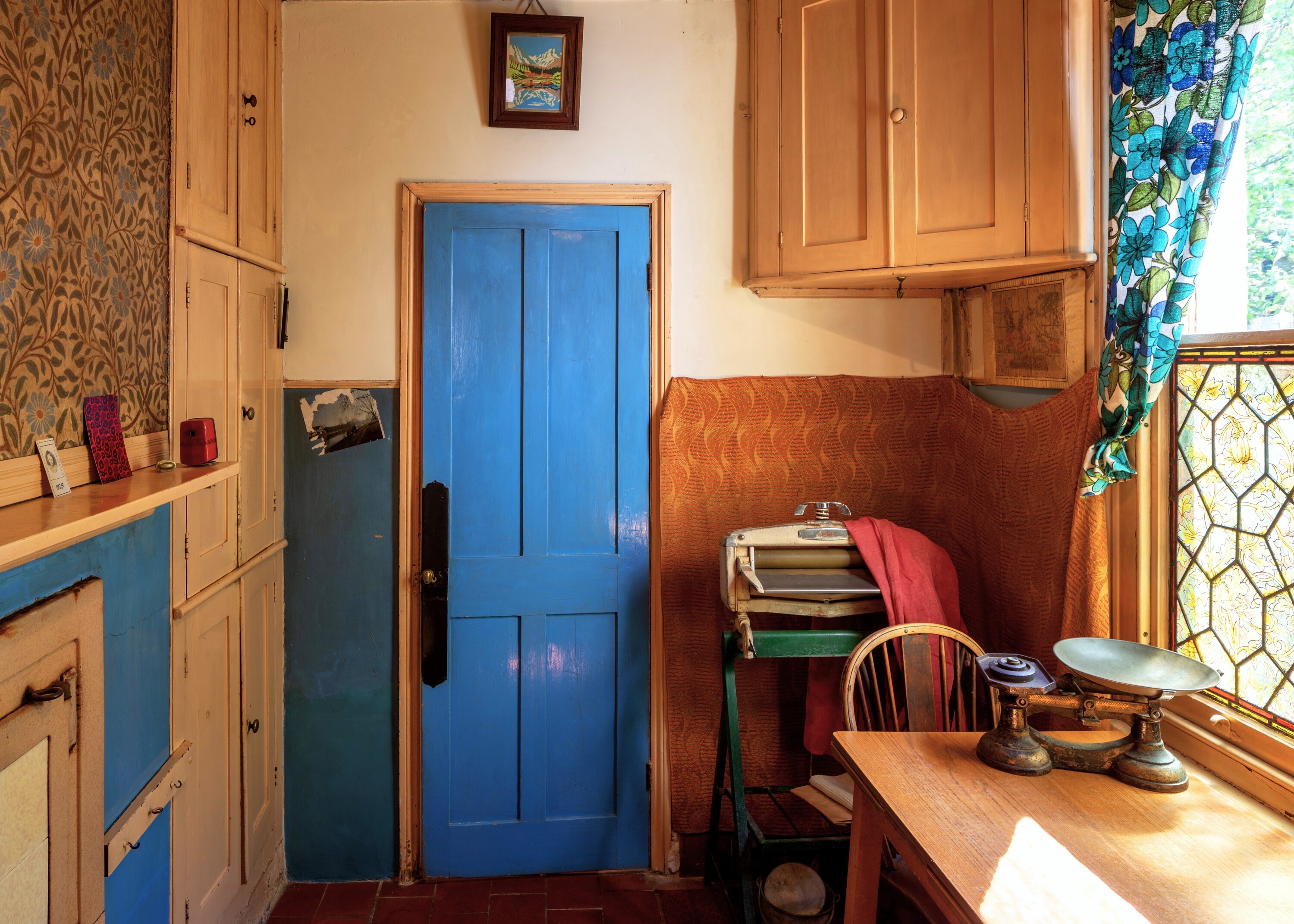
Discover the story of David Parr House and the work to preserve this extraordinary place. From its rare hand-painted interiors to its powerful history of working-class creativity, the house continues to inspire visitors, artists and makers today. Find out more about why it matters and how you can be part of its future.
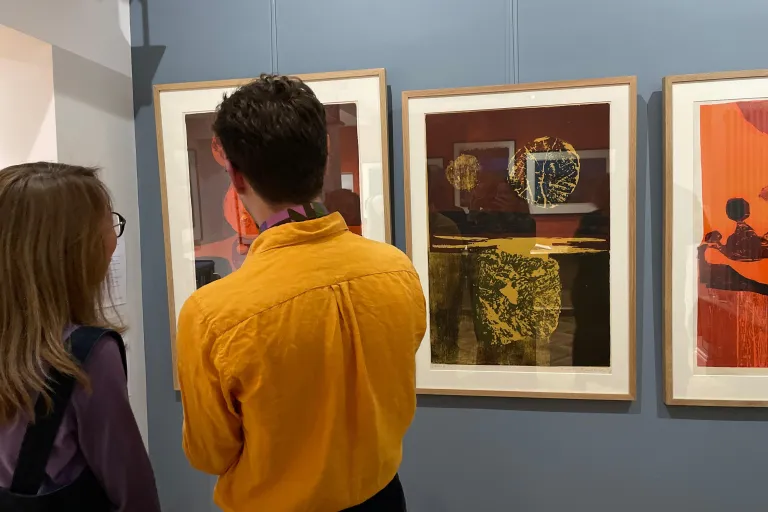
Our programme brings together artists, designers and makers working across a wide range of creative disciplines. Inspired by the House’s history and its values of creativity, care and integrity, we create opportunities for both artists and audiences to connect with the space in meaningful ways.
Each year, we explore a theme linked to the house and its collection. Through exhibitions, collaborations and artistic interventions, we invite new perspectives and conversations that reach beyond the house itself, showing how its stories and values continue to resonate today.
See our current programme to see our upcoming creative workshops and explore what’s happening across the House and Studio Gallery.
Throughout the year, we will explore the theme in both a literal and a more imaginative way. We will look at the real routes taken by the people connected to this house – David Parr, his granddaughter Elsie Palmer, their families, and the F. R. Leach firm and the Leach family. At the same time, we will consider how journeys and the mapping of real or imagined events continue to inspire creative work today.
Through our exhibitions, projects, and guided walks, we highlight the links between past and present. We look at how travel, movement, and the retracing of steps across generations have shaped the house and the people who lived here. These activities also help us connect the stories of the Parr and Leach families with wider communities.
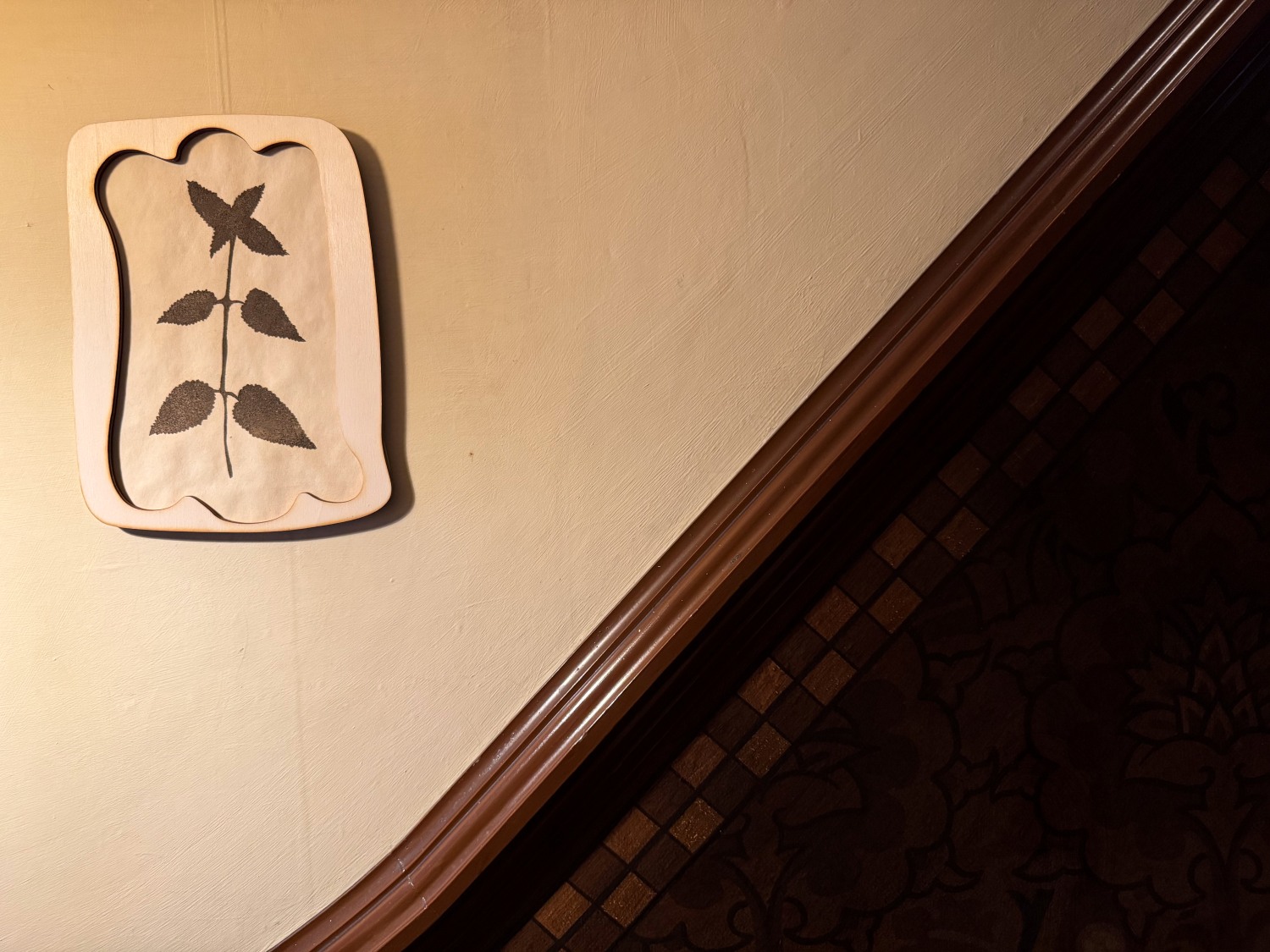
In 2025, our focus turned to the natural world, inspired by the motifs and values of David Parr and the wider Arts and Crafts Movement. In the face of an urgent climate crisis, we explore how art can educate, inform, and reimagine our relationship with nature.
From commissioning climate-resilient garden design from Anna’s Flower Farm made possible with support from The Wolfson Foundation to Freddie Yauner’s Pollen Paintings, we examined new ways to engage with and find refuge in the natural environment, embedding Arts and Crafts values in daily life.
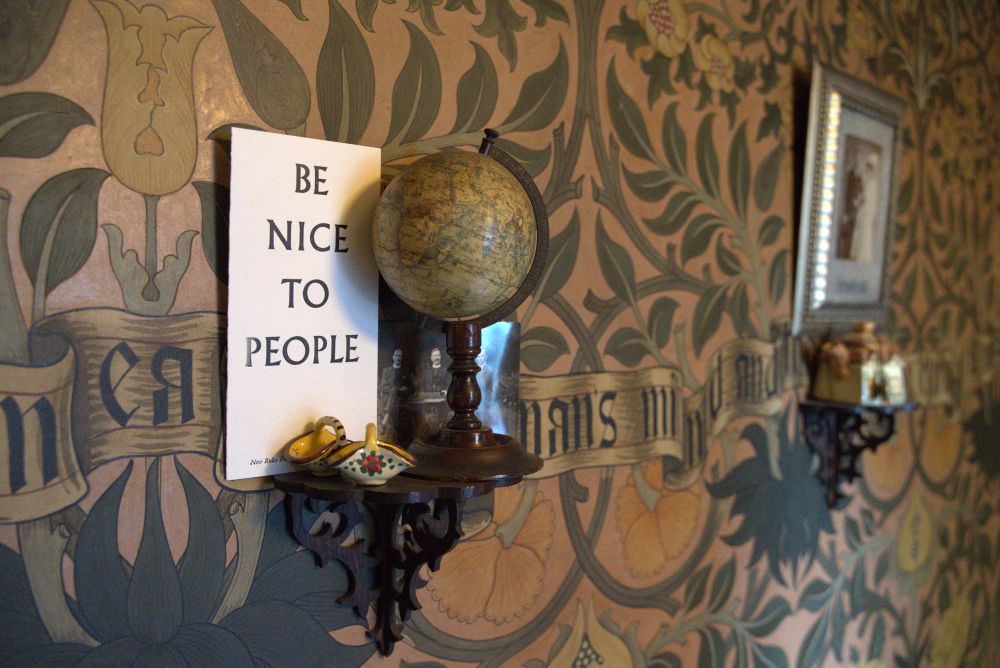
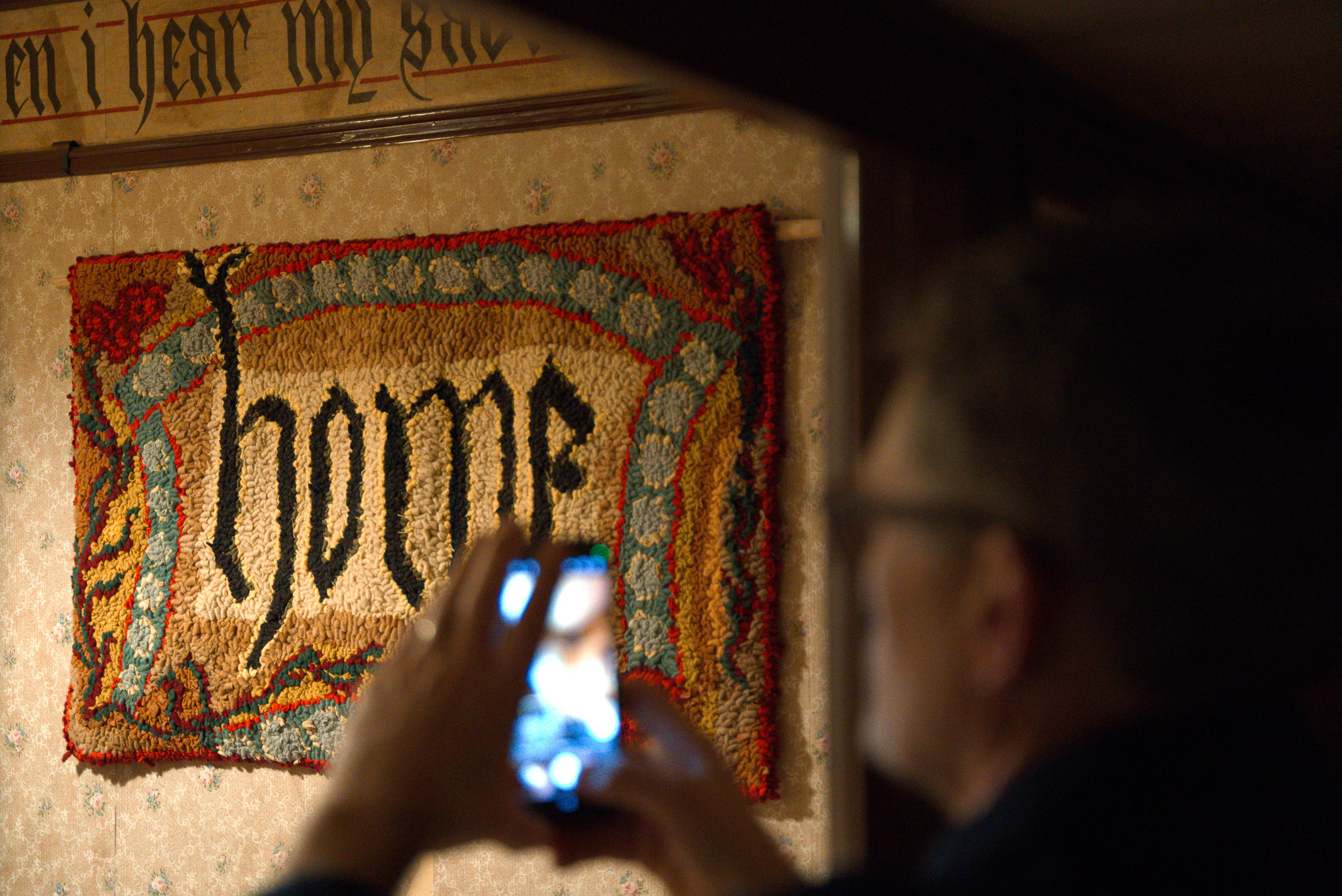
Letter, Word & Text celebrated David Parr’s painted schemes and Cambridge’s strong history of sign painting and decorative lettering. The programme included an exhibition of selected works from The Rampant Lions Press, highlighting its use of blackletter typefaces and its links to Parr’s designs.
Our House Guests exhibition, Words to Live By; Words to Live With, invited artists to reflect on the lasting influence of words. They were asked to consider which texts they would choose to live with every day, and which words guide the way they live.
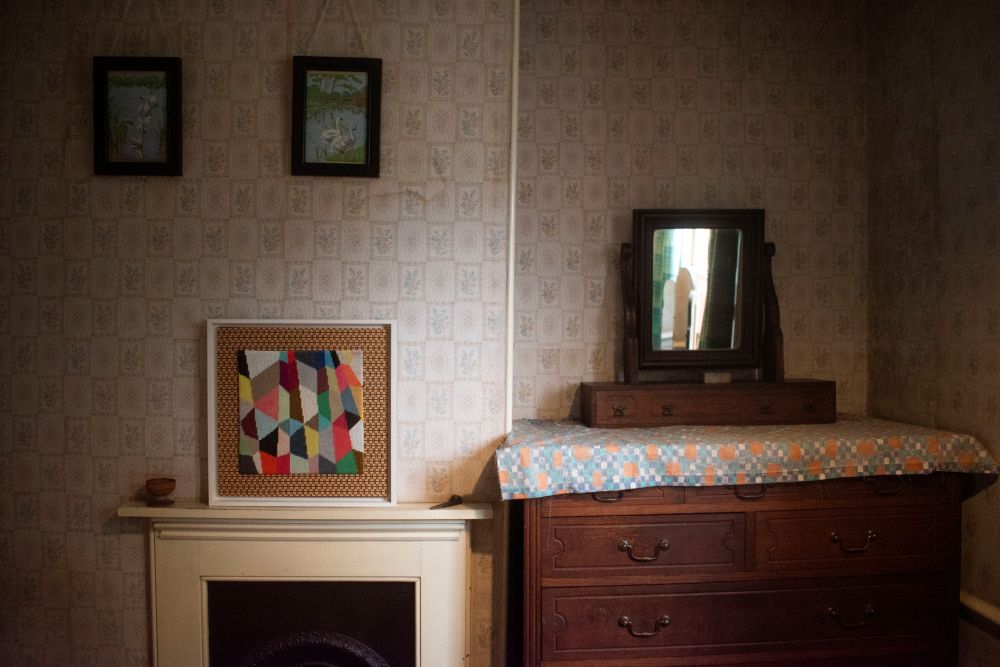
Inspired by the work of Mary Jane Parr, David Parr’s wife and a “doubler” who spun cotton threads at home to create new yarns, the programme adopted Textiles as its central theme. This year also marked the beginning of House Guests, our annual series inviting contemporary creatives to respond to the house’s heritage. Through textile‑based works, we explored themes of making, domesticity, and the stories – both personal and cultural – woven into the fabric of the house.
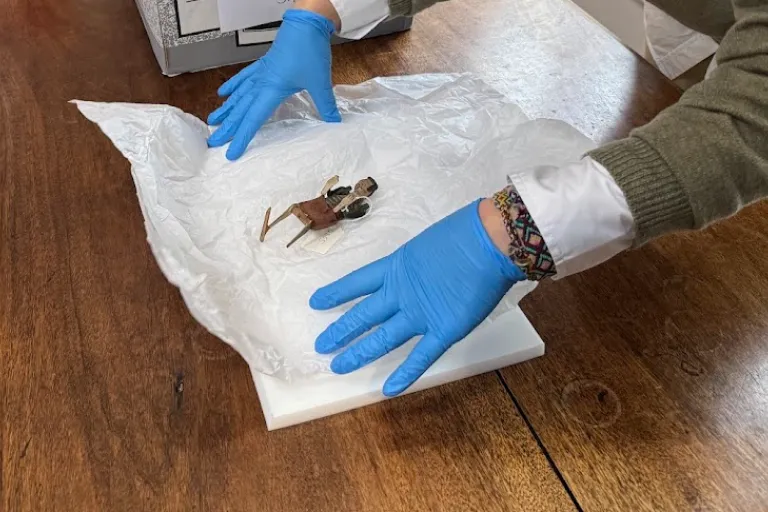
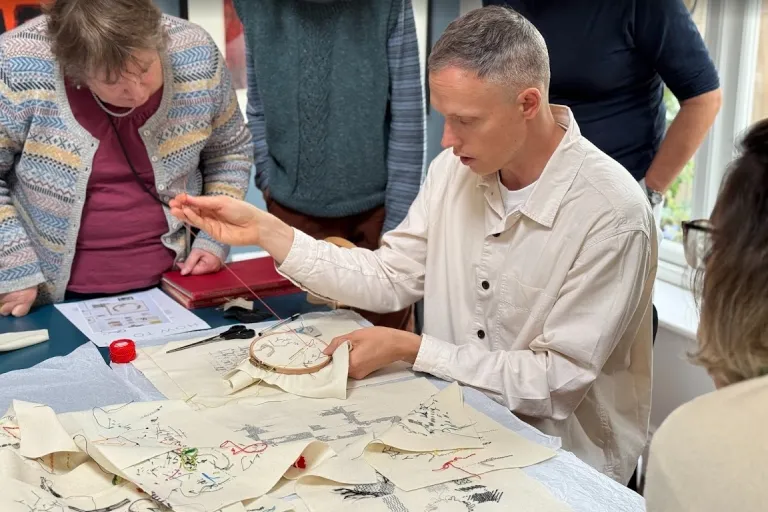
As an independent charity with no statutory funding, we rely on volunteers and the generous support of individuals, trusts, foundations and corporations to continue our work. Your help enables us to care for this extraordinary house, deliver our unique artistic programme and support our ongoing research.
Discover an ordinary terraced house with an extraordinary hand-painted interior with a guided tour.
Our shop is stocked with a carefully selected range of products and cards that embody David Parr House’s values of quality, craftsmanship and authenticity.